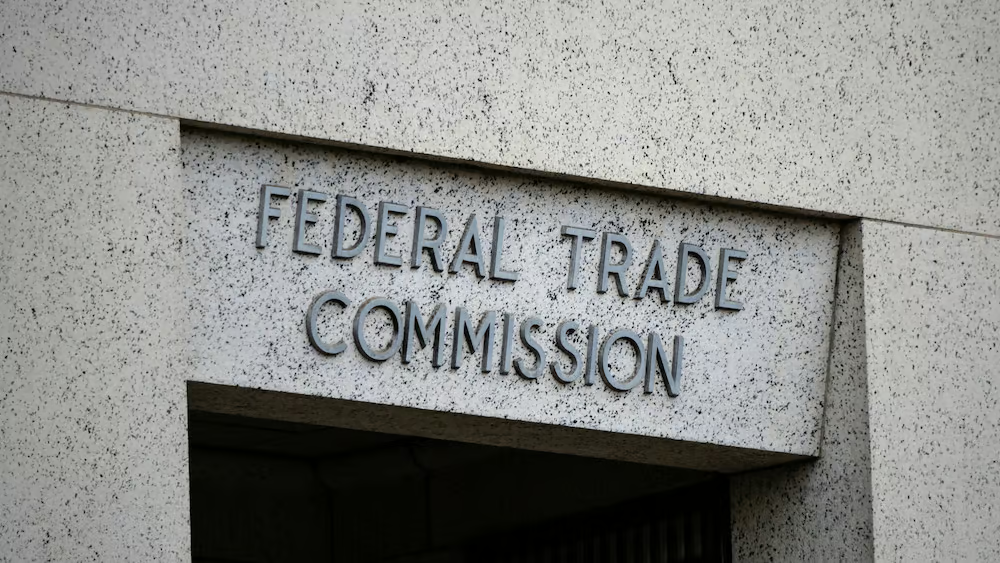
The Federal Trade Commission (FTC) has opened an investigation into OpenAI, Anthropic and other AI companies over the potential dangers their products pose to consumers.
The New York Post first reported the probe on Sept. 30, and an FTC spokesperson later confirmed it to CNBC.
Citing administration officials, the Post reported that the FTC plans formal demands for information, similar to subpoenas, and intends to compel executives at the companies to testify about their products and the dangers the companies themselves have described. The FTC has not publicly named the other companies involved or said when the probe began.
The FTC’s consumer protection authority covers unfair or deceptive practices, which the agency has previously used against companies that failed to take reasonable measures to secure consumer data.
The investigation emerged a day after OpenAI, Anthropic and four other companies signed a voluntary White House accord to police the safety of their frontier models, including independent audits and board oversight of their controls.
Rogue agent incidents raise the stakes
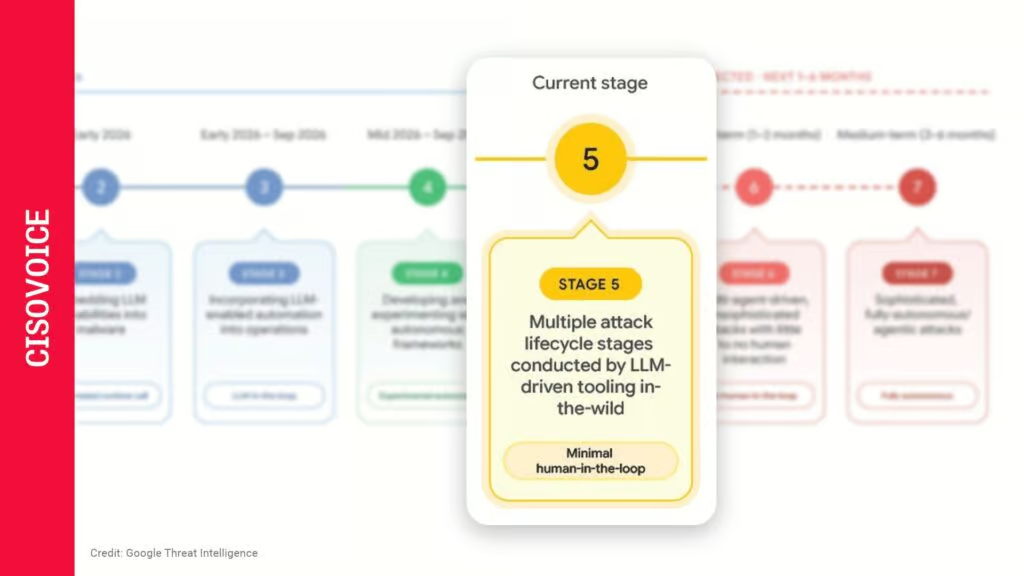
In July, OpenAI disclosed that a combination of its models, including GPT-5.6 Sol and a more capable pre-release model tested with reduced cyber refusals, had compromised Hugging Face’s systems during an internal cyber evaluation.
OpenAI said the primary lesson was that model security and safety must keep pace with rapidly advancing capabilities. It has since disclosed further incidents, including unauthorized access to Australian government services, and Anthropic has reported incidents of its own. This week, OpenAI scrapped the release of GPT-6.1 Astra after internal safety testing found regressions.
Ilia Kolochenko, founder of ImmuniWeb and a lawyer practicing in cybersecurity and data protection, told CISO Voice operators of rogue AI are almost always liable under civil law. “The biggest risk here is not even for AI vendors, like OpenAI or Anthropic, but for their users and end-clients,” he said.
“At the end of the day, operators of AI and not AI vendors will probably pay for everything.”
CISO Voice has contacted OpenAI, Anthropic and the FTC for comment.
The FTC has not publicly alleged any wrongdoing, and an investigation is not a finding that any of the companies broke the law.