
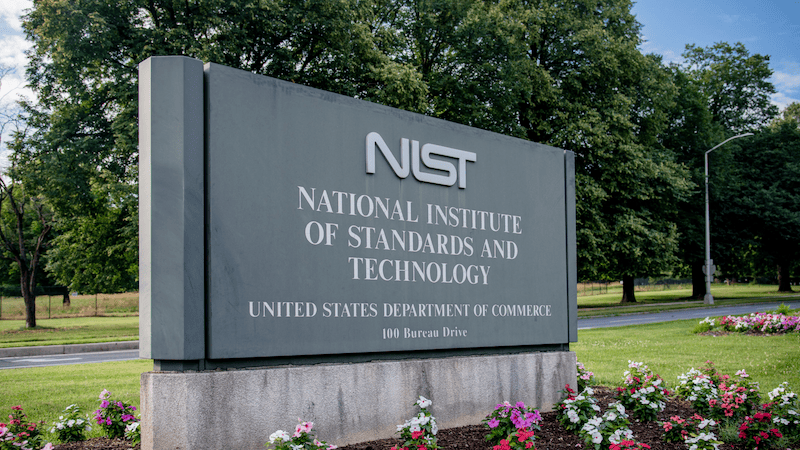
NIST has opened a request for information on modernizing the National Vulnerability Database, asking which parts of the vulnerability management lifecycle should be handed to AI-enabled automation, which tasks should still require human review, and what controls would prevent erroneous AI-generated remediations from reaching production.
NIST wrote that the inadequacies of traditional vulnerability management, meaning periodic scanning, static prioritization and manual remediation, are increasingly apparent. It also acknowledged resource constraints in scaling the enrichment work its own analysts perform, and noted that malicious actors may use AI systems to find and exploit flaws at scale.
For context, that combination matters because the NVD is not optional infrastructure. It ingests CVE records within about an hour of publication, and its analysts then enrich them with severity scores and affected product versions.
NIST described that output as consumed by a broad ecosystem of security tools and operational workflows, and as foundational to vulnerability management, software security and compliance automation.
The Standards Themselves Are on the Table
One question asked whether existing vulnerability identifiers, product naming schemes and severity scoring systems remain sufficient for actionable prioritization in the AI era. A separate question asked what gaps exist in those standards and specifications.
Others asked what data and system context organizations need to prioritize accurately in production, how transparency and auditability could be built into AI-driven prioritization, and what has actually blocked remediation for organizations that already receive prompt and comprehensive vulnerability information.
A final section asked what metrics should track the success of any modernization effort, which left respondents to define what a working NVD would look like.
NIST set a deadline of October 13 for comments, which go to docket NIST-2026-0100 on regulations.gov and will be posted publicly without redaction, so anything commercially sensitive should stay out.
Security leaders who have spent the past two years building their own prioritization logic because the public data was insufficient have a documented route to say so, and a fixed window in which the agency is asking.