LinkedIn is an integral part of the modern hiring and connectivity process. By looking on someone’s LinkedIn profile, you can see their work history with notes on any key projects they’ve been a part of, you can see their connections, and other people who work within their organization.
This type of information is exactly what an attacker needs to craft a customized phishing lure.
A voice clone can be generated using just 3 seconds of audio. A video clone can be generated with tens of seconds or just a few minutes of footage. So, when a company’s CISO, CFO, CEO, or other board member is wheeled out to do the media round, is this increasing the risk on your organization? Is this an acceptable risk to be taking?
This is a point that’s echoed by Digital Executive Protection pioneer, Dr. Chris Pierson: “Your executives, your leadership team, your board members are the who’s who of the company. They’re always out there in PR, in the media, on the website. They’re the face of the business, and cybercriminals and nation states know that.”
Suddenly, that extensive list of podcast appearances on your LinkedIn feed, the conference keynote speeches you deliver, and the video walkthroughs online are starting to look like a vulnerability. Let’s look at a real life scam to see how this information can be used in action.
The Arup Scam
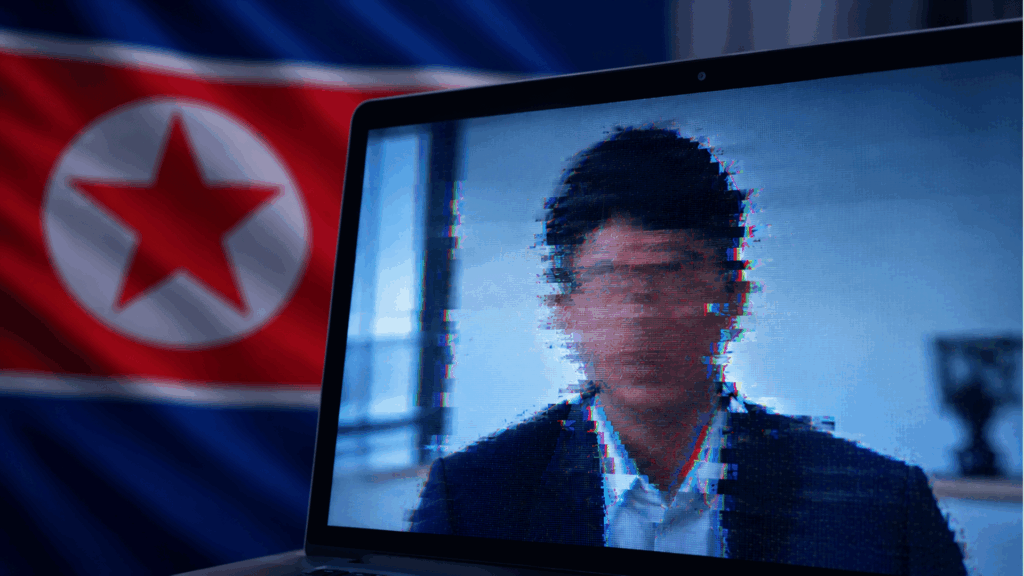
In early 2024, a finance employee in the Hong Kong office of engineering firm Arup joined what looked like a routine video conference with the company’s CFO and several other colleagues. What the finance employee didn’t know was that everyone else on the call was a deepfake. The avatars were built using publicly available video and audio data.
This conference call led to the employee making 15 financial transfers, totalling 25.6 million USD. This attack started with an email to the employee, with the video call acting as the authentication, persuading the employee that the requests were legitimate.
Would this have happened if there was less information publicly available?
The Reputation Question
LinkedIn, a site that is designed to enhance and show off your reputation, gives attackers the details they need to carry out these attacks. Individuals are encouraged to share details of the projects they’re involved in, their educational background, and their past work experience. We’re increasingly told that algorithms respond best to video content. All of this will improve personal and business reputation.
The more successful your reputation, the more content you’ll have online, the easier it is for attackers to clone your identity.
The Cost of the Problem
Deloitte projects that generative-AI-enabled fraud losses in the United States could reach 40 billion dollars by 2027. The FBI’s reporting logged tens of thousands of AI-related fraud complaints in 2025 with losses approaching a billion dollars, and analysts believe the real figure is far higher because most voice-clone victims never report. The barrier to entry has collapsed. The tools are cheap, often free, and require no specialist skill.
In a recent interview with BlackCloak’s Chris Pierson, he flagged the material risk of being in the limelight: “In Ponemon surveys, 42% of executives say they’ve been targeted by a deepfake. In a Techstrong PulseMeter report, 36% say their family members have been targeted. That’s only who reported it, so the real number is almost certainly much higher.”
Is it too late to act?
Once something is on the internet, it cannot simply be unpublished. The years of conference talks, profile updates, company blogs, and press releases are already scraped. Deleting your social media today does not retrieve the training data that attackers have already collected.
For many senior roles, particularly in sales, recruitment, and leadership, having a public presence is part of the job. Asking a CEO to remove themselves from the internet to prevent deepfakes is not going to fly. And in reality, the problem extends beyond LinkedIn to encompass the whole internet. That’s every social media post, every image on Instagram, every video on YouTube, even the picture you’ve been tagged in on Strava can be used against you.
The Content Economy Is the Attack Surface
Modern professional life runs on content. LinkedIn, podcasts, webinars, and conference stages all reward the same behavior: post more, speak more, show your face, build your profile. Visibility is the currency, and the people who get promoted, win deals, and get hired are the ones who broadcast.
That is the trap. Every incentive on these platforms pushes your most senior people to produce exactly the material an attacker needs: the voice samples, the video footage, the personal detail, the proof of who reports to whom. The platforms are not leaking this by accident. They are built to maximize it.
So What Can You Actually Do?
The answer is not to delete LinkedIn. It is to stop treating public exposure as free. Work out who your real impersonation targets are, your CFO, your finance approvers, the people who can move money, and ask whether each one’s public footprint matches their actual risk.
Then fix the part that failed at Arup. Build verification that does not rely on a familiar face or voice: a call-back on a known number, dual sign-off on payments, no exceptions for urgency. The footprint is the ammunition. Your process is what pulls the trigger.