Microsoft has taken action against EvilTokens, an AI-powered phishing platform that enabled attackers to compromise more than 12,000 email inboxes.
EvilTokens, launched in February 2026, was used by cybercriminals to compromise Microsoft accounts and analyze the victims’ inboxes in attempts to identify opportunities for financial fraud and scams.
Compromised inboxes belonged to organizations operating in different sectors, including wholesale distribution, construction, real estate, higher education, healthcare, and financial services. The highest concentrations of victims were in the US, Canada, the UK, Australia, India, and France.
In an announcement posted on Sept. 22, Microsoft disclosed that it had disrupted the platform as part of a court-authorized operation in collaboration with Health-ISAC, Cloudflare, Coinbase, OpenAI, Railway, SpyCloud, the Shadowserver Foundation, TRM Labs, and the UK’s Metropolitan Police.
The operation led to the seizure of 50 websites used to operate EvilTokens and the disabling of more than 150 additional domains. On Sept. 11, the Metropolitan Police also arrested two men, aged 32 and 38, on suspicion of offenses connected to EvilTokens’ alleged operation. The men were subsequently released on bail as the investigation continues.
How EvilTokens helped attackers compromise accounts
EvilTokens was an AI-powered platform that could be purchased on Telegram for a $1,500 initial fee and a $500 monthly subscription. Microsoft tracks the threat actor behind its development as Storm-2992.
The platform abused device code authentication, a process that allows smart TVs, printers, and other devices with limited interfaces to authorize account access via a separate browser.
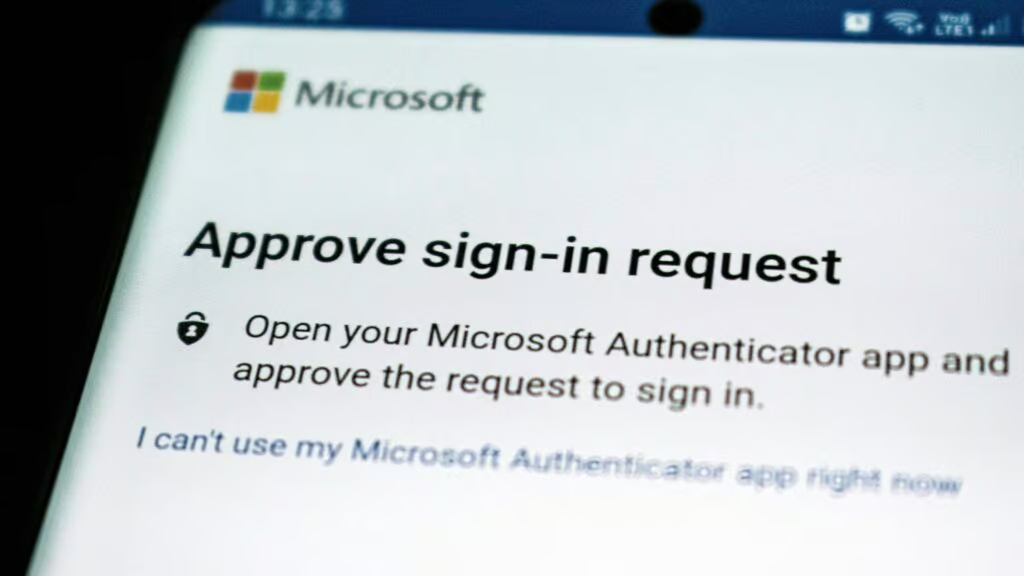
Attackers would send phishing messages that prompted victims to enter a code on Microsoft’s legitimate sign-in page. When victims entered this code and completed the authentication process, they unknowingly authorized the attacker’s session without disclosing their passwords. This approach could circumvent standard Multi-Factor Authentication (MFA), allowing attackers to access Microsoft email accounts.
EvilTokens’ AI tools could also create tailored phishing lures, recommend fraud strategies and potential fraud targets, summarize compromised emails, map the organizational roles of victims, and identify people with payment authority.
In a technical report dated Sept. 22, the company shared recommendations for preventing and spotting EvilTokens-enabled inbox compromises.
The report advises organizations to block device code authentication wherever possible or restrict it through Microsoft Entra Conditional Access. It also recommends monitoring suspicious device registrations, and inbox rules and revoking users’ refresh tokens following suspected compromise.