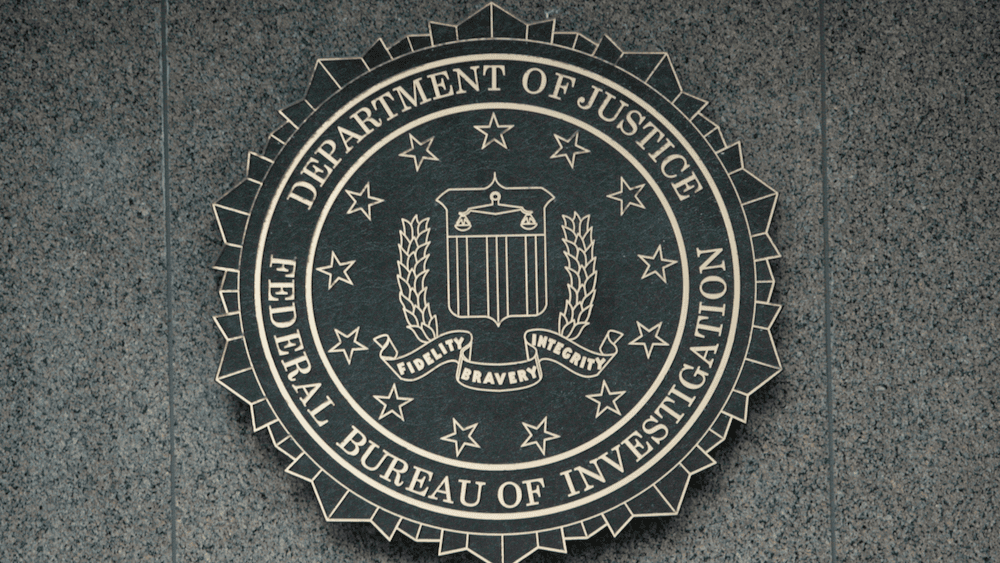
The FBI and the US Justice Department have seized domains linked to two hacking platforms operated by a Chinese state-sponsored group. According to the US agencies, the platforms were used to “target US critical infrastructure and other sensitive networks.”
The platforms in question were known as QScan and QTRouter. In a press release published on Aug. 26, the Justice Department said the sites were part of a toolset employed by “a People’s Republic of China (PRC) state-sponsored group known as ‘QTFY,’ employed by China-based Nanjing Xinjiuwei Network Technology Company.”
The Justice Department said victims of QTFY’s computer intrusion activity included “the National Aeronautics and Space Administration, Federal Reserve, Department of Energy, Department of Justice, Department of Health and Human Services, National Institutes of Health, and the US Senate.”
According to the Justice Department, QScan and QTRouter were used in conjunction with each other. The former was used to scan for vulnerable internet of things devices and automatically infect any that it found. QTRouter, meanwhile, was the name for the network of these hacked products. It also covered commercial proxy service devices and leased virtual private servers.
QTRouter had an additional function as an “obfuscation network” that hid the Chinese origin of the infected devices, making them appear to be connecting from local servers or entirely separate nations.
A distributed hacking model
It was a powerful combination, according to Gabrielle Hempel, Security Operations Strategist at Exabeam, who told CISO Voice that “The most interesting thing here is that QTFY built an entire distributed operating model for cyber operations: scanning infrastructure, exploit orchestration, compromised IoT devices, commercial proxies, and legitimate credentials all working together.”
Nick Tausek, Lead Security Automation Architect at Swimlane, also told CISO Voice that networks of the type targeted by QTFY “are about as sensitive as targets get. They can expose operational plans, contractor relationships, technical capabilities and access paths into systems tied directly to national security. Even limited access can give an adversary intelligence that’s useful far beyond the organization initially breached.”
According to the court documents, QTFY sold hacking services to several paying customers, including the Chinese Ministry of State Security and the People’s Liberation Army. However, because the seized web domains were hardcoded into both QScan and QTRouter, taking them offline rendered both of these services unusable.
The FBI and the National Security Agency have published a cybersecurity advisory on QTFY that contains information on indicators of compromise. Black Lotus Labs has also released an analysis of QTFY’s tactics, techniques and procedures that outlines how the group’s toolset worked.