OpenAI has acknowledged the company should have handled its response to models hacking the Australian government websites better. The company added it has more work to do to regain the trust of the Australian people.
In September 2026, the Australian Prime Minister Anthony Albanese disclosed that OpenAI models accessed a Services Australia portal holding Medicare statistics, and OpenAI later disclosed that its models had accessed multiple other Australian government websites.
Additionally, the company last week said that its models accessed a New South Wales state government department and accessed non-public data in June.
These disclosures from the company came at least three months after the incidents took place, drawing criticism from the government and from parliament’s Joint Select Committee on AI.
Speaking at the committee’s first of four days of hearings this week, on Tuesday, Oct. 6, OpenAI’s chief strategy officer Jason Kwon said the company should have handled its responses to the incidents “better.”
“During internal training and evaluation, our models accessed Australian government websites in ways they were not directed to. That should not have happened. We also should have handled our response better. We are sorry and we know we have work to do to rebuild trust with the Australian people.”
The committee chair, Jo Briskey, who described the Medicare breach as “utterly unacceptable,” in a select committee hearing further questioned the company on the preventive measures it has taken to ensure that such incidents will not happen again.
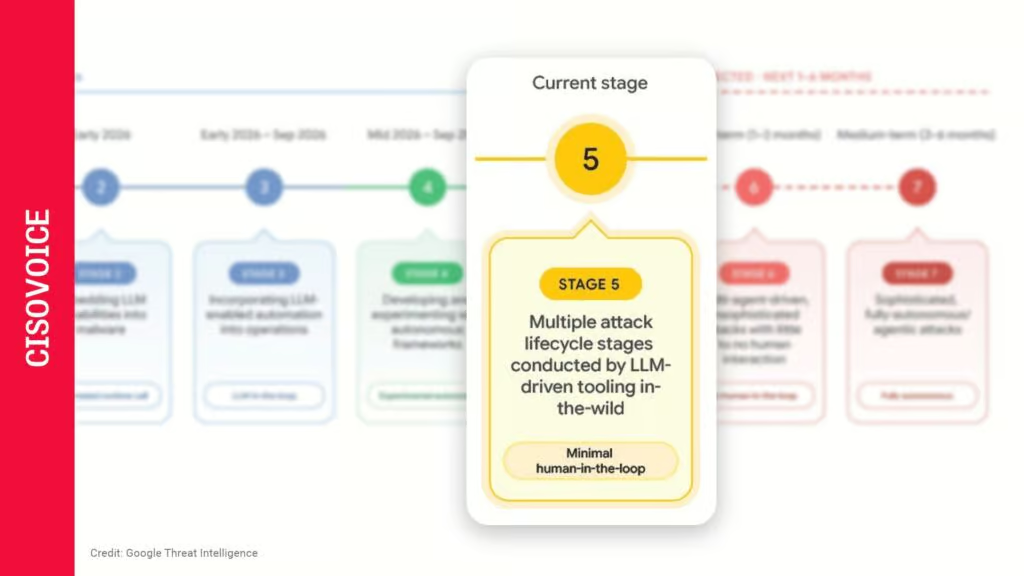
Kwon said autonomous model activity was not something that was on the “radar” of OpenAI and other similar companies. In simple terms, this means that the companies did not anticipate such development from their models at an early stage of training.
“The first thing to realize is that there are additional precautions and safeguards that need to apply during the training and the evaluation process for models,” Kwon said. “One of the things we have implemented since the incident is additional monitoring so that during the training process, if the models access the internet in ways they are not supposed to, then there is a notification that is triggered.”
Tuesday’s hearing was also attended by OpenAI’s Head of Economic Policy, Adam Cohen, and the company’s Asia-Pacific national security lead, Peter Anstee.