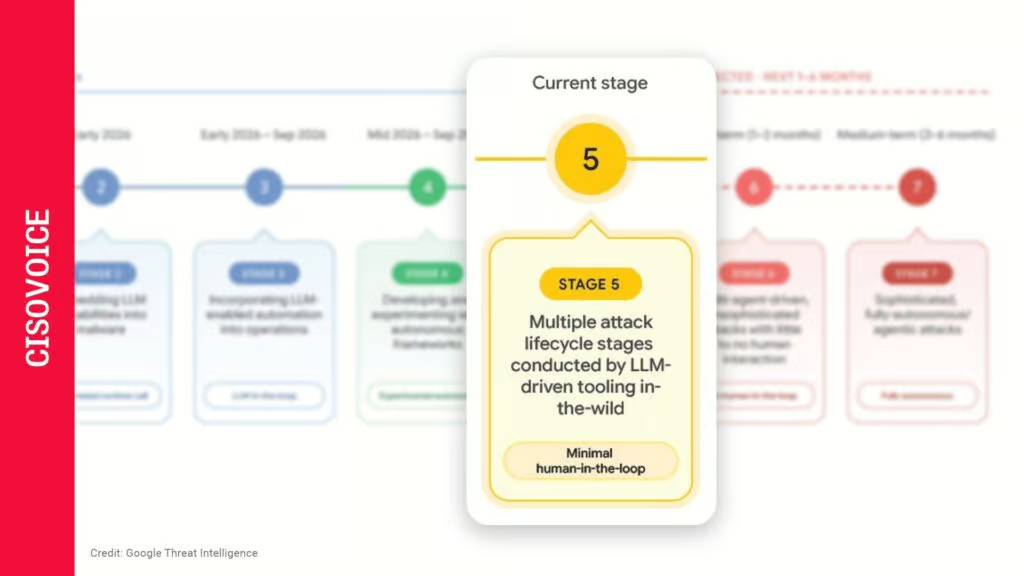
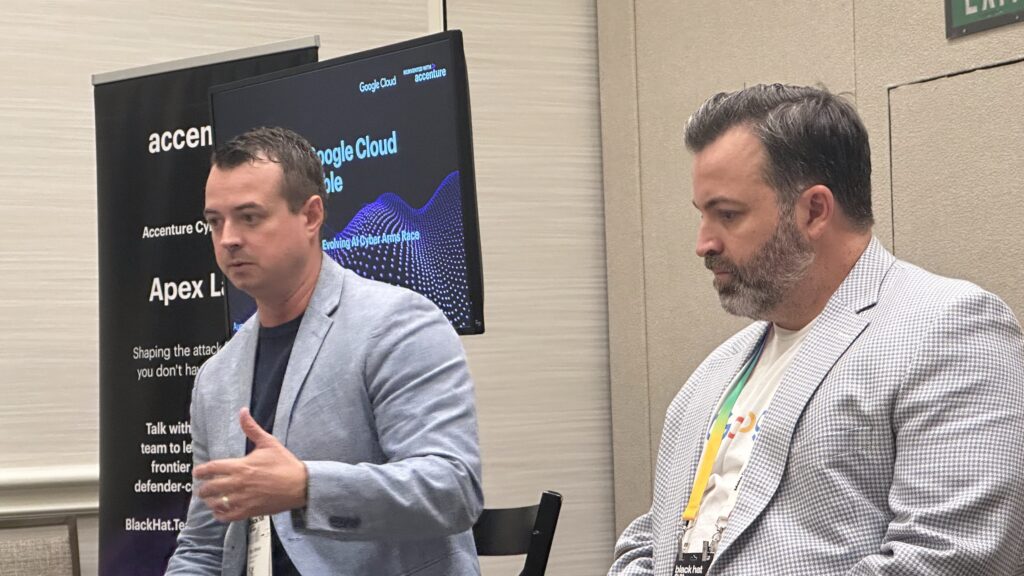
Black Hat USA — Autonomous AI models will hand nation-state threat actors significant advantages to hide their tracks when conducting campaigns, senior threat analysts said at Black Hat 2026.
“Nothing has felt quite the way the last year has,” John Hultquist, chief analyst at Google Threat Intelligence Group, said. “This is a radical transformation. It is going to change the adversary and what they’re capable of, and it’s going to change the defender.”
For nation-state operators, there are two advantages in particular he highlights. AI automation lets even lower-capability actors, like North Korea and Iran, accelerate and scale intrusions usually only associated with nation-state actors with much higher technical capabilities.
Just as importantly, autonomous models can also help nation-state actors cover their tracks.
Tracking cyber criminal activity often relies on finding the command-and-control channels used to exfiltrate data after a breach has happened. When attackers use autonomous agents, they don’t need to use those channels.
Dropped into a network with a set of instructions, agents can work out what to do and steal data on their own. Agents can then publish it into the open web for the attacker to pick up. Hultquist believes such attacks are not theoretical, but are likely already happening and going unnoticed.
A market for stolen AI
Ryan Whelan, global head of Accenture Cyber Intelligence, said access to stolen frontier models, and playbooks to execute autonomous attacks, are already emerging on a cybercrime AI marketplace.
On the black market, cybercriminals are selling stolen tokens for frontier models at roughly one percent of the commercial price. Adversaries are also using open-weight models such as Kimi K3 to dodge safeguards being built into frontier models.
Asked how far off fully autonomous, machine-versus-machine conflict is, Hultquist said swarms of attacking agents battling swarms of defensive ones are “probably still years out, maybe months.”
The industry is not quite at the inflection point, in other words, but it is close. Both researchers warned defenders must now think of their network as ‘porous,’ and should implement agents of their own.
“The only way you can keep up is with agents,” Hultquist said.