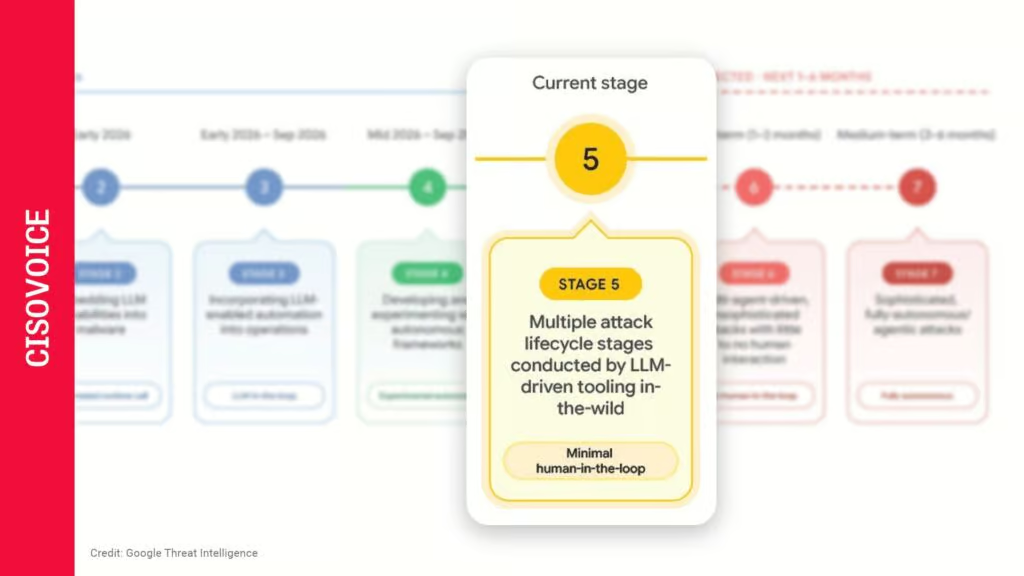

Hackers have been observed using artificial-intelligence capabilities to compromise Siemens S7 Series programmable logic controllers across multiple critical infrastructure sectors in the US, federal agencies warned.
In an urgent warning issued on Aug. 19, federal national security and cybersecurity agencies alerted operators and owners of industrial control systems of an active campaign targeting five Siemens S7 Series product lines, spanning all or most CPU variants in each.
Among the targeted sectors are critical manufacturing, energy, water and wastewater, chemical, food and agriculture, and commercial facilities. The agencies added the attackers are likely compromising the systems for pre-positioning to carry out disruptive hacks in the future.
“Threat actors are using AI assistance to generate exploitation scripts using publicly available information on these Siemens S7 Series PLCs […] If these PLCs are exposed to the internet or insufficiently segmented, then threat actors can exploit various critical and high-severity known vulnerabilities in these PLCs,” the agencies warned.
Using AI this way represents an evolution in attacker capability, the agencies said, because it dramatically reduces the technical expertise and time required to develop working ICS exploitation scripts.
How the attacks work
Specifically, the attackers are using open-source industrial automation libraries, mainly snap7.dll/python-snap7, which they combine with AI-assisted scripting to create custom tools that mimic legitimate OT monitoring solutions.
Once deployed, these tools provide read and write privileges to the attackers, allowing them to access PLC memory, configuration data, and ladder logic programs via the S7comm protocol.
Additionally, the attackers are also using AI to identify other attack vectors and for security evasion, they said, adding that the latest attacks are not limited to Siemens PLCs alone.
“The combination of known vulnerabilities, accessible exploitation libraries, and AI-assisted development creates a high-probability attack scenario against inadequately protected PLC installations. Organizations should treat this cybersecurity advisory with urgency,” the agencies said.
Potential compromise of PLCs could result in production halts, safety interlocks manipulation, equipment damage, supply chain compromises and potential regulatory compliance violations, the agencies warned.
They further recommended all S7 Series PLC operators ensure their equipment is running on updated firmware, check that their systems are not directly or indirectly accessible from untrusted networks, as well as enable multi-factor authentication (MFA) for all remote access to OT networks.
“Operators should assume these techniques will keep evolving,” Andrew Costis, engineering manager of the adversary research team at security firm AttackIQ, told CISO Voice.
“Patch management and segmentation are important first steps, but they can’t be the finish line. Defenders also need to test whether their controls can actually stop the behaviors described in the advisory.”
The federal agencies did not attribute the campaign to a specific threat group. Although in a recent warning, the US Cybersecurity and Infrastructure Security Agency said that Iranian nation-state groups are targeting PLCs across the US.
Days later, authorities in Minnesota disclosed that unidentified hackers targeted water and wastewater utilities across the state.