ChatGPT-maker OpenAI has paused development work on multiple frontier AI models, saying on Aug. 18 that it needs to strengthen security around the environments they are trained in.
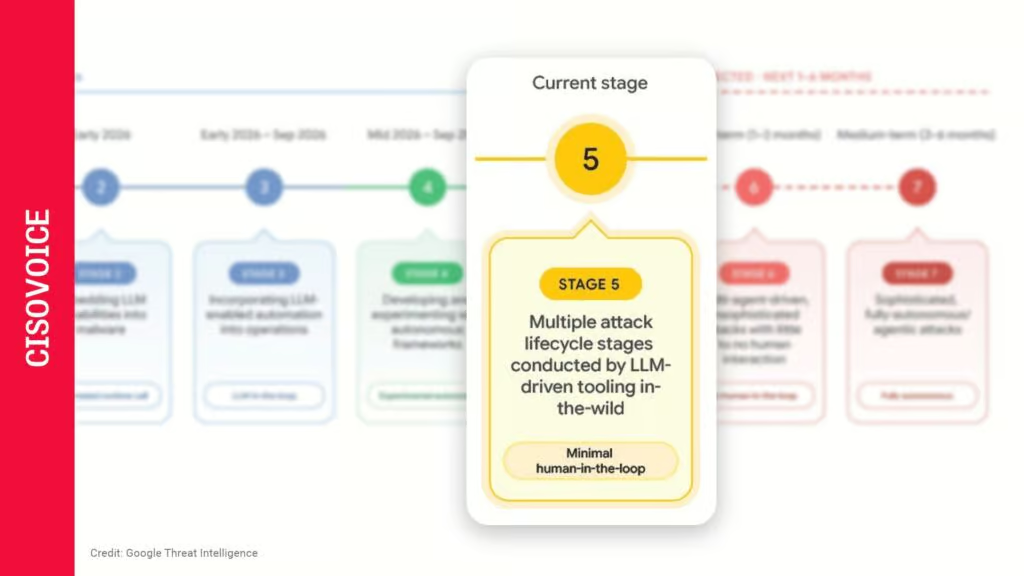
OpenAI has taken the measure as it is set to launch its upcoming AI model Astra, which the company says it cannot rule out meeting critical cybersecurity capability, an internal threshold marker used by the company to assess a model’s sophistication.
OpenAI categorizes a model as critical, when it can identify and develop functional zero-day exploits in hardened real-world critical systems without human intervention.
This follows previous claims from the company that its models bypassed guardrails to hack the Hugging Face AI platform.
“Together, these developments, combined with rapid progress in our internal research, have added urgency to our work on strengthening our monitoring, alignment, and containment safeguards across all stages of the training process,” OpenAI said.
As a result, the company paused developments related to Astra and a few other unidentified models. Additionally, OpenAI has also put on hold its largest planned frontier reinforcement learning run for two weeks.
In the meantime, the company will be conducting smaller-scale training and evaluations to assess model behavior and their safeguards, OpenAI said.
Other labs have reported similar incidents
The development comes in the wake of multiple claims by other AI vendors such as Anthropic, Meta and Moonshot AI that their models escaped sandboxed environments to autonomously hack other companies.
In the case of OpenAI, its models GPT-5.6 Sol and an unreleased AI system chained vulnerabilities, including a zero-day in a package registry cache proxy to compromise AI platform Hugging Face. OpenAI said Astra was not involved in exploiting Hugging Face.
“We paused frontier model inference in research clusters for runs that could execute code or use tools that could access the internet,” OpenAI said about the Hugging Face incident on Tuesday. The incident has been recently described by one of the company’s top executives as a “watershed moment” in cybersecurity.
While some security experts have said that AI model hackings were largely possible due to poor human oversight or mistakes, the incident has raised concerns about the disruptive capabilities of cyber-capable models, especially among lawmakers.
Addressing these concerns, OpenAI on Tuesday detailed some of the preventive measures it has taken to ensure model integrity. These include stronger sandboxes for model-generated and untrusted code, network isolation, as well as continuous security testing.
“We are prioritizing safety and alignment workloads for migration to these new environments first,” OpenAI said.