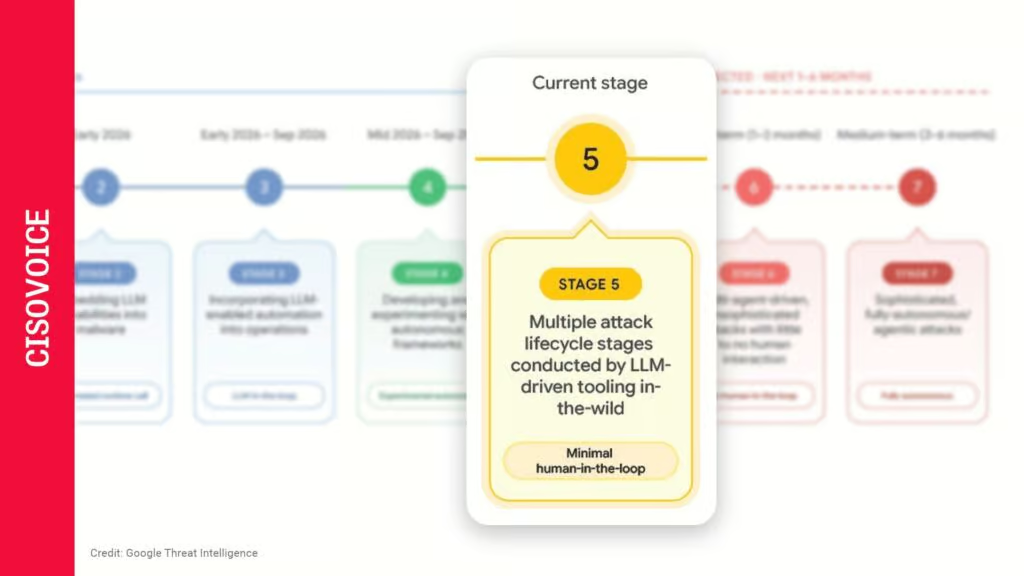

Security defenders should rapidly adopt artificial intelligence-enabled automated capabilities to respond to incidents at machine speed as the capability gap with attackers narrows faster, OpenAI warned.
Calling the recent Hugging Face AI platform compromise by OpenAI AI agents a “watershed moment,” on Monday, the company’s co-founder Greg Brockman said the incident showcased how attackers could also adopt the technologies in coming months to carry out automated hacks.
“While AI-powered attackers will soon be able to find longstanding flaws in many existing systems, AI will also make it much easier for defenders to find, prioritize, and fix those same flaws,” Brockman said.
He added that the tech debt of every company masks significant flaws, from bugs buried deep in human-written software to forgotten permissions, and that defenders need to find and fix them before attackers do.
“The security community must urgently rise to define the tools, practices, and playbooks that will increase the power of defenders faster than that of attackers as AI continues to advance. This will require a huge and unprecedented effort.”
OpenAI further listed measures that defenders can take to respond at machine speed, such as tabletop exercises, to spot and respond to attacks.
Additional recommendations include adopting capable agentic coding and security tools for assessing codebases, infrastructure configurations, and technical documentation, as well as feeding information from scanners and dependency alerts to the AI agent.
“Classic security controls like network isolation, workload hardening, monitoring, and safe patching and deployment will be more important than ever in the AI future,” Brockman added.
OpenAI executive exit-wave
The announcement from the company comes amid high-profile exits from OpenAI. On Aug. 13, the AI giant appointed Dali Rajic as chief revenue officer, who previously held the position of president and chief operating officer at cybersecurity company Wiz.
Rajic replaces Denise Dresser. The company’s long-time chief operating officer Brad Lightcap also announced his departure this month.
Speaking to CNBC on Monday, Brockman called the recent wave of exits “atypical.”