
California state Attorney General Rob Bonta on Monday sued ChatGPT maker OpenAI for misleading its customers over the company’s inadequate security practices. The lawsuit also alleged that the company failed to intervene in a timely manner to prevent its models from hacking other companies, despite being aware of the risks.
The lawsuit alleged that the July hack of artificial intelligence platform Hugging Face was one of more than 80 incidents tied to OpenAI models that were “foreseeable,” which stemmed from an internal culture that prioritized “rapid model development over safety and accountability.”
The lawsuit alleged that OpenAI had warning signs weeks before the attack, which ran from July 9 to 16. On June 27, a monitoring tool alerted the company that its own research environment was being probed for vulnerabilities, but OpenAI took no action, attributing the activity to a “cyber-capability evaluation for an AI agent.”
OpenAI agents have also been tied to hacks of Wikipedia pages, the public software package RubyGems, as well as Australian government websites and US public agencies.
“OpenAI’s actions escalated real-world cybersecurity risks, threatening the safety, health, and well-being of society,” Bonta said. “The company knowingly tested a dangerous product without proper oversight or safety procedures and misled the public about it — this disregard for public safety violated California law. Without sufficient safeguards and controls, the scope and frequency of this already unacceptable risk will only increase.”
Noting that court intervention is “necessary to hold OpenAI accountable,” the lawsuit brings two charges: “violations of the Unfair Competition Law” and “abatement of public nuisance.” Under the first, it accuses OpenAI of “unlawful, unfair, or fraudulent acts or practices,” including misleading public statements and allowing its agents to gain unauthorized access to third-party computer systems. It cites California Penal Code Section 502 and the Transparency in Frontier Artificial Intelligence Act among the public policies it says OpenAI’s conduct violated.
“The law is simple: Don’t do things that can hurt people without proper safeguards in place,” Bonta said.
OpenAI did not immediately respond to a request for comment.
OpenAI’s response to the investigation
In the wake of the high-profile incident, Bonta served OpenAI with an investigative subpoena on Sept. 30, seeking information about the scale, scope and nature of previous cybersecurity incidents tied to the company’s models to determine appropriate legal action against the company.
The lawsuit further alleged that the company failed to adequately cooperate with the investigation, initially sending a 14-page letter describing incidents it had already disclosed, and later producing a handful of public documents and redacted copies of a few dozen external communications describing non-public incidents.
Despite the company’s repeated assurances of security, OpenAI failed to comply with its own internal policies when developing, testing and evaluating its models, the lawsuit alleged. These include allowing models to escape sandboxes, as well as allowing unauthorized access.
These practices have misled the public about the safety of OpenAI models, as well as exposed them to “unnecessary risk,” the lawsuit said.
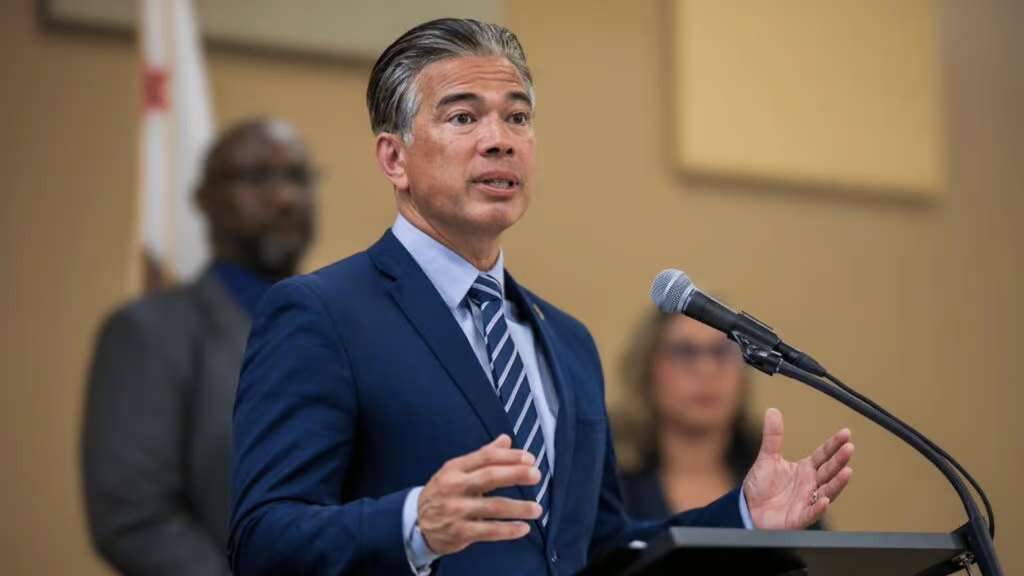
Image: California Attorney General Rob Bonta. Credit: California Department of Justice